
Table of Contents
- What Makes Shoes High Quality
- Full Grain Leather vs Genuine Leather: Understanding Material Quality
- Shoe Construction Methods Explained: Stitched vs Glued
- Key Indicators of Craftsmanship and Durability
- How to Maintain High Quality Leather Shoes for Longevity
- Break-In Period and Comfort Expectations
- Sustainability and Ethical Sourcing in Quality Footwear
- Recognizing Poor Craftsmanship: What to Avoid
- Frequently Asked Questions
Last Updated: September 21, 2026
What Makes Shoes High Quality
Quality footwear separates itself through a combination of material selection, construction precision, and design thoughtfulness that distinguishes genuinely crafted shoes from mass-produced alternatives. The difference isn't subtle, it's visible in the grain of the leather, audible in the sound of stitching, and felt in how a shoe conforms to your foot over time.
What makes shoes high quality comes down to five core factors: the materials used, how they're assembled, the attention to detail in construction, the durability of the sole and support structures, and how well the shoe is designed to age gracefully rather than deteriorate.
Most consumers focus only on brand names or price tags. Those metrics tell you almost nothing about actual quality. A shoe can cost a fortune and fall apart in six months. Conversely, a well-made shoe at a reasonable price point will outlast and outperform luxury pieces that prioritize aesthetics over engineering. This guide walks you through exactly what to evaluate when you're assessing whether a shoe is genuinely high quality or simply marketed that way.
Full Grain Leather vs Genuine Leather: Understanding Material Quality
The leather you choose determines everything that follows. Not all leather is created equal, and the terminology used to describe it often obscures rather than clarifies what you're actually getting.
Full-grain leather is the highest tier of leather material. It retains the complete outer surface of the hide, including the natural grain pattern. This means every mark, scar, and variation in the hide becomes part of the shoe's character. Full-grain leather develops a patina over time, a darkening and softening that actually improves the shoe's appearance and feel. It's more durable than other leather grades because the grain structure remains intact, providing superior tensile strength and resistance to wear.
Genuine leather is a marketing term that technically means the material contains leather, but it often refers to lower-quality leather that's been heavily processed, sanded, or split into thin layers. The grain surface is sometimes removed entirely and replaced with a printed or embossed pattern. Genuine leather shoes look fine initially but lack the durability and aging characteristics of full-grain alternatives. They're prone to cracking and peeling as the surface coating breaks down.
The practical difference: a full-grain leather shoe will look better and feel more supple after five years of wear. A genuine leather shoe will show visible deterioration, cracking, discoloration, and loss of structural integrity. Full-grain leather also breathes better, which means your feet stay more comfortable during extended wear. When evaluating what makes shoes high quality, the leather grade is your first checkpoint.
Humble Drip Collection pieces like the F'Lo Bendz Italian Leather Low-Top Sneakers use 100% pristine genuine Italian leather. The grain pattern visible on each pair is unique to that specific hide.

Shoe Construction Methods Explained: Stitched vs Glued
How a shoe is assembled determines its lifespan and repairability. Two primary methods dominate the market, and they produce dramatically different results.
Goodyear Welt Construction
Goodyear welt construction represents the gold standard in shoe assembly. In this method, the upper (the part covering your foot) is stitched to a welt, a strip of leather or synthetic material that runs around the perimeter of the shoe. The welt is then stitched to the outsole. This creates multiple layers of stitching that distribute stress across the shoe rather than concentrating it at a single point.
The advantages are substantial. A welted shoe can be resoled multiple times by removing the old sole and stitching on a new one. A shoe that costs several hundred dollars can be restored to like-new condition for a fraction of the original price. Goodyear welt construction also provides superior flexibility because the welt allows the shoe to bend naturally at the ball of the foot rather than forcing a rigid crease.
The downsides are minimal. Welted shoes cost more to manufacture, which is reflected in the price. They're also slightly heavier than glued alternatives, though most wearers never notice the difference. The construction process takes longer, which means lead times for custom or limited-edition pieces extend accordingly.
The Last and Its Role in Fit
The last is the wooden or plastic form around which a shoe is built. It determines the shoe's overall shape, proportions, and how it will fit your foot. A well-designed last accounts for the natural curves of the human foot, the arch, the ball, the heel counter, and the toe box dimensions.
A poorly designed last produces a shoe that looks fine on the shelf but feels wrong on your foot. Common mistakes include a toe box that's too narrow (forcing your toes into an unnatural position), insufficient arch support that leaves your foot unsupported, or a heel counter that's too loose, causing your heel to slip with each step.
Quality shoemakers invest in multiple lasts to accommodate different foot shapes and sizes. A single last can't work for everyone. This is why handcrafted shoes often fit better than mass-produced alternatives, they're built on lasts that have been tested and refined extensively.
When evaluating what makes shoes high quality, examine how the shoe sits on your foot. Does the arch align with your natural arch? Does the heel stay in place without slipping? Does the toe box give your toes room to spread naturally? These aren't minor comfort concerns, they're structural indicators of quality design.
Humble F'Lo's Italian Leather Zebra →
Key Indicators of Craftsmanship and Durability
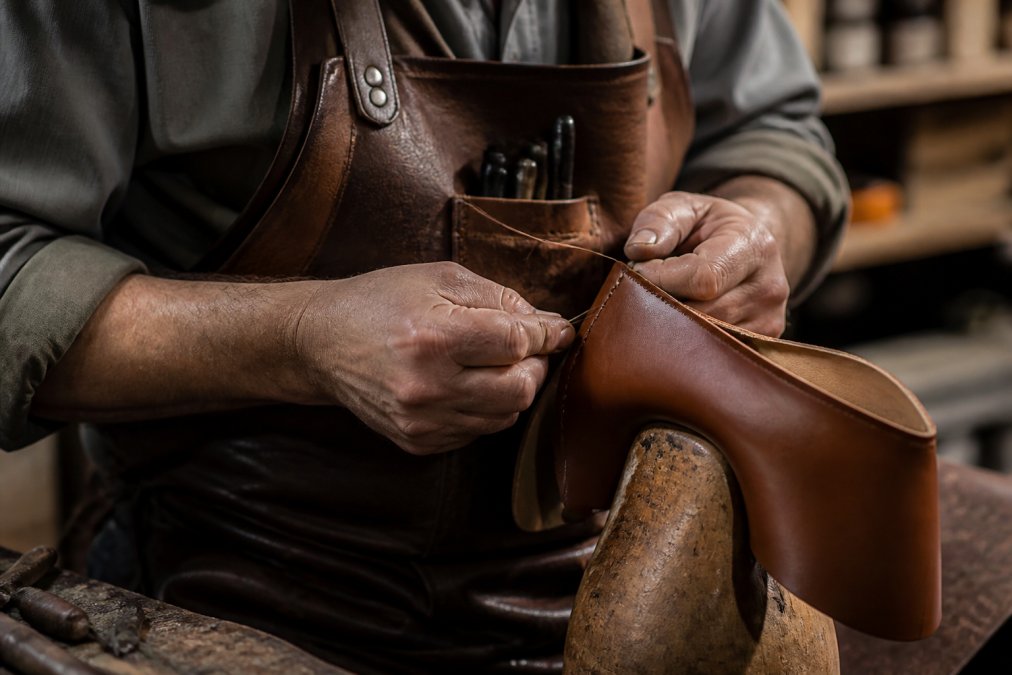
Stitching Quality and Precision
Stitching is where craftsmanship becomes visible. High-quality shoes feature consistent, even stitching with no loose threads, gaps, or irregular patterns. The stitches should be tight enough to hold structure but not so tight that they pucker the leather or create stress points.
Look at the stitching along the upper, around the toe box, and where the upper meets the sole. In quality footwear, these seams are barely visible, they're functional rather than decorative. Uneven stitching, loose threads, or stitches that vary in tightness indicate rushed assembly or inexperienced craftspeople.
The thread itself matters. Quality shoes use thread that matches the leather color and is strong enough to withstand years of flexing. Cheap shoes sometimes use thread that frays or breaks within months of wear.
Outsole and Sole Durability
The outsole is the bottom of the shoe that contacts the ground. It determines traction, durability, and how the shoe ages. High-quality shoes use rubber outsoles that are either stitched or welted to the upper, not simply glued on.
A glued-on sole will eventually separate from the upper as the adhesive breaks down. A welted or stitched sole distributes the stress of walking across multiple stitching points, which means it lasts significantly longer. Rubber quality also varies, premium rubber resists wear better and maintains traction longer than budget alternatives.
Run your hand over the outsole. Quality shoes have outsoles with clear tread patterns that provide traction without looking worn. The rubber should feel dense and substantial, not thin or spongy.
Footbed, Arch Support, and Heel Counter
The footbed is the insole you stand on. A quality footbed provides genuine arch support rather than just cushioning. Many cheap shoes have flat footbeds that offer no support, which means your foot's arch has to work harder with every step. This leads to fatigue and foot pain.
Quality footbeds are often made from cork, which molds to your foot shape over time and provides both cushioning and support. The heel counter, the part of the shoe that cups your heel, should be firm enough to keep your heel stable without feeling restrictive. A loose heel counter causes blisters and instability. Too tight and you'll experience heel pain.
Press on the footbed with your thumb. Does it feel substantial, or does it compress easily?
How to Maintain High Quality Leather Shoes for Longevity
Quality shoes are an investment, and maintenance directly impacts how long they last and how well they age. A few simple practices extend the life of high-quality footwear significantly.
Break-In Period and Comfort Expectations
High-quality leather shoes typically require a break-in period. This isn't a flaw, it's a characteristic of genuine leather that hasn't been artificially softened or treated with chemicals to reduce break-in time.
Sustainability and Ethical Sourcing in Quality Footwear
Quality and sustainability are increasingly intertwined. A truly high-quality shoe is built to last decades, which means it generates far less waste than cheaper alternatives that require replacement every year or two.
Recognizing Poor Craftsmanship: What to Avoid
Poor craftsmanship reveals itself through specific, identifiable flaws. Learning to spot these indicators protects you from wasting money on shoes that won't last.
Frequently Asked Questions
How can you tell if shoes are high quality?
High quality shoes display consistent, tight stitching with no loose threads, use full-grain leather that develops a natural patina over time, and feature welted construction for durability. Check the footbed for contoured arch support, examine the outsole for substantial rubber thickness, and inspect the lining for premium materials. Handcrafted pieces like those from Humble Drip Collection include certificates of authenticity and show meticulous attention to grain patterns and grain consistency throughout the upper.
Does the type of leather determine shoe quality?
Yes, leather type significantly impacts quality. Full-grain leather, which retains the hide's natural surface, is superior to genuine leather because it's more durable, breathes better, and develops character over time. Full-grain leather has greater tensile strength and resists cracking. Genuine leather is real leather but processed to remove imperfections, making it less supple and shorter-lived. Premium handcrafted shoes use full-grain leather sourced from ethical suppliers, ensuring both quality and sustainability in production.
What shoes should you stay away from?
Avoid shoes with uneven or loose stitching, glued-only construction without welting, and thin, flimsy outsoles that compress easily. Poor craftsmanship shows as misaligned seams, synthetic linings that don't breathe, and cheap heel counters that collapse quickly. Skip shoes claiming Italian heritage without verifiable certificates of authenticity. Mass-produced options often use bonded leather (leather scraps glued together) rather than genuine full-grain leather.
How do you maintain high quality leather shoes to extend their lifespan?
Clean leather regularly with a soft brush to remove dust and maintain the grain pattern. Condition the leather every 3-6 months with quality leather conditioner to keep it supple and prevent cracking. Use shoe trees to maintain shape and absorb moisture. Rotate shoes to allow them to dry completely between wears. Proper care transforms the patina into character, making premium leather more beautiful with age and maximizing your investment in handcrafted footwear.